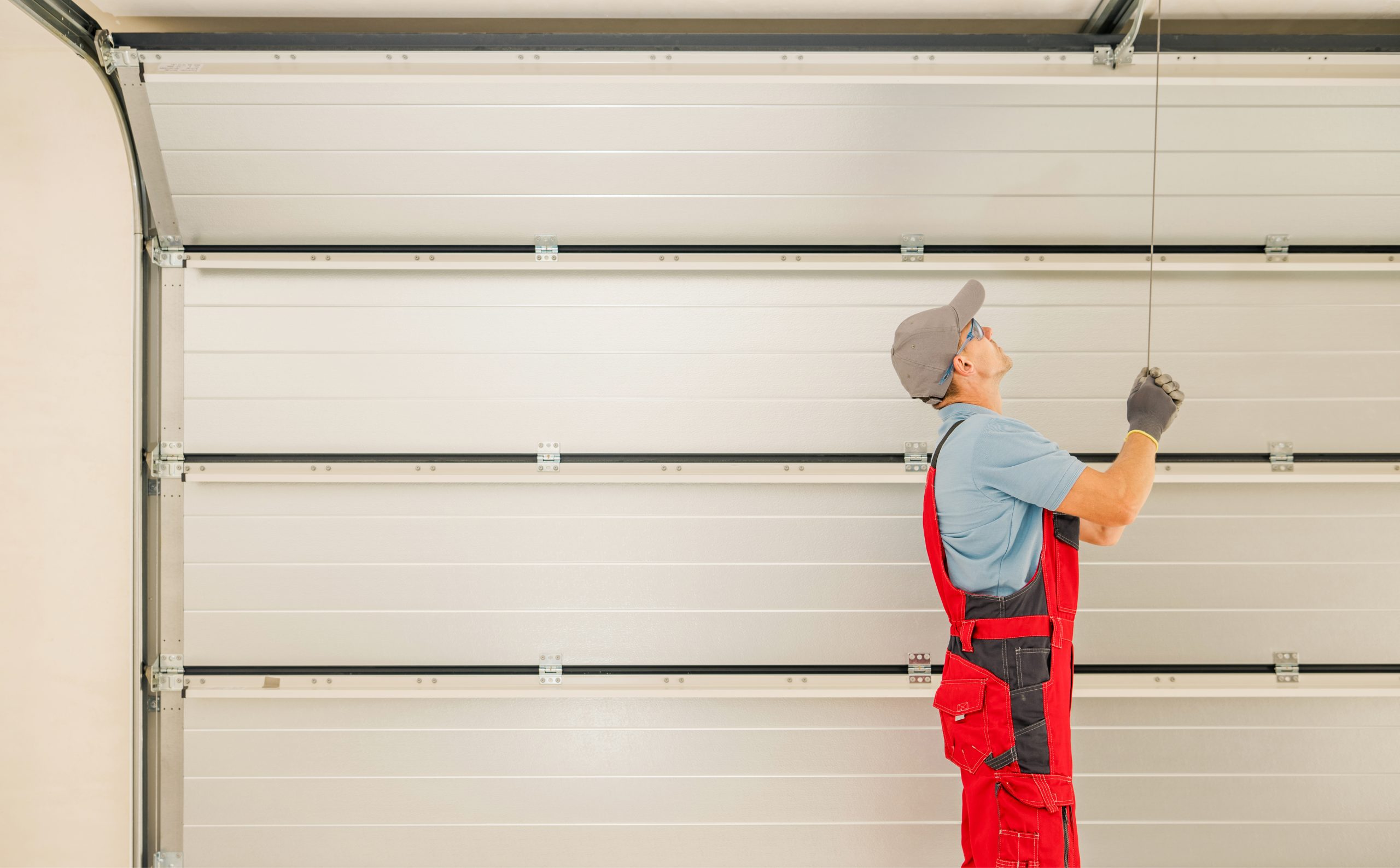
A garage door is more than just an entryway; it’s a significant part of your home’s security, curb appeal, and daily convenience. When standard options don’t quite fit your needs or aesthetic, custom garage door installation offers a tailored solution. This process involves careful planning and precise execution to ensure your new garage door functions perfectly and enhances your property.
Key points
- Custom garage door installation begins with a detailed consultation to define needs and design.
- Material selection impacts durability, maintenance, and aesthetics.
- The installation process involves precise fitting of panels, tracks, and balance systems.
- Upgrading garage door openers offers enhanced security and smart home integration.
- Regular garage door repair and maintenance are essential for longevity and performance.
The Consultation and Design Phase
The journey to a custom garage door begins with a thorough consultation. This is where your specific requirements are discussed, from size and material to style and security features. Professionals will assess your existing garage opening, considering factors like structural support and headroom. You’ll explore various design possibilities, looking at different panel styles, window options, colors, and hardware. The goal is to create a door that not only meets your functional needs but also complements your property’s architecture. Detailed measurements are taken at this stage to ensure a precise fit. This collaborative phase is crucial for translating your vision into a tangible design plan. Factors like insulation needs and the type of operation (manual or automatic) are also addressed, helping to define the scope of the project.
Material Selection and Customization
Choosing the right material is a key decision in custom garage door installation. Options typically include steel, aluminum, wood, and composite materials, each with its own set of advantages regarding durability, maintenance, insulation, and appearance. Steel offers strength and can be finished to mimic wood grain. Aluminum is lightweight and resistant to rust, making it suitable for coastal areas. Natural wood provides a classic, warm aesthetic but requires more upkeep. Composite materials often blend the look of wood with the durability and low maintenance of synthetics. Beyond the primary material, customization extends to the finer details. This might include decorative hardware, unique window configurations, or specialized finishes. The selection process is guided by factors such as your budget, local climate, and desired maintenance level.
The Installation Process
Once the design is finalized and materials are ready, the installation begins. This is a multi-step process that demands expertise and attention to detail. First, the old garage door and its hardware are carefully removed, if applicable. The existing frame is inspected and reinforced if necessary to accommodate the new door. New tracks are installed, ensuring they are perfectly plumb and level for smooth operation. The new garage door panels are then assembled and attached to the tracks. Torsion springs or extension springs are installed and tensioned correctly; these are critical components that balance the door’s weight, making it easy to lift. Safety features, such as pinch-resistant edges and auto-reverse mechanisms for openers, are integrated. Finally, the garage door opener is installed, programmed, and tested. This meticulous installation ensures reliable performance and longevity.
Garage Door Openers and Upgrades
A significant aspect of custom garage door installation often involves integrating or upgrading the opener system. Modern garage door openers offer a range of features beyond simple remote operation. These can include rolling codes for enhanced security, quiet belt or chain drives, and even smart home integration. Smart openers allow you to monitor and control your garage door from anywhere using a smartphone app. This can provide alerts if the door is left open, enable remote access for guests, and integrate with other smart home devices. When planning a custom installation, it’s an opportune time to consider the latest opener technology to maximize convenience and security. Upgrading an existing opener can also be a standalone service, breathing new life into an older door system.
Garage Door Repair and Maintenance
Even the best custom garage door benefits from regular garage door repair and maintenance. Over time, springs can weaken, cables can fray, and rollers can wear out. Routine inspections can identify potential issues before they lead to a complete breakdown. Maintenance typically involves lubricating moving parts, checking the balance of the door, testing the safety reversal system, and inspecting the cables and springs for wear. Addressing minor issues promptly through garage door repair can prevent more costly problems down the line and extend the life of your investment. Many service providers offer maintenance plans to ensure your garage door remains in optimal working condition year-round.
Common questions
What is the typical timeline for a custom garage door installation?
The timeline for a custom garage door installation can vary significantly depending on the complexity of the design, material availability, and the installer’s schedule. It generally involves an initial consultation, design approval, manufacturing or customization of the door, and finally, the installation itself. This process can take anywhere from a few weeks to a couple of months from the initial order to the final installation.
How much does a custom garage door cost compared to a standard one?
Custom garage doors typically cost more than standard, off-the-shelf options. The increased cost reflects the personalized design, selection of premium materials, and the specialized manufacturing process required to meet unique specifications. However, the added value in terms of aesthetics, functionality, and property enhancement can make it a worthwhile investment for many homeowners.
What are the benefits of choosing a custom garage door?
The primary benefit of a custom garage door is the ability to perfectly match your home’s architectural style and your personal preferences, something standard doors may not achieve. It allows for specific dimensions, unique materials, and tailored features, ensuring optimal function, enhanced security, and improved curb appeal that aligns precisely with your vision.
Do I need to consider insulation with a custom garage door?
Yes, insulation is an important consideration, especially if the garage is attached to your home or used as a living or workspace. Custom garage doors can be built with various insulation options, such as foam or rigid panels, to improve energy efficiency, reduce noise transfer, and maintain a more consistent temperature within the garage.
